Chinese Language
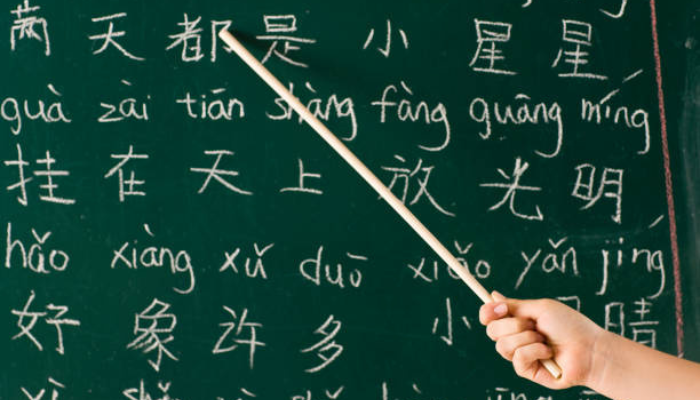
Chinese language classes typically begin with Pinyin, the Romanization system that helps students learn pronunciation before tackling the characters themselves. The tonal nature of Mandarin Chinese presents a unique challenge, so classes often include extensive listening and speaking practice to develop tonal awareness.
Curricula focus on vocabulary building and practical conversation skills, often using situational role-playing and real-life scenarios to enhance learning. Cultural lessons are crucial, encompassing Chinese history, philosophy, festivals, and customs. This cultural context enriches language learning and fosters a deeper connection to the material.
As students advance, they engage with more sophisticated texts, including news articles, literature, and idiomatic expressions. Teachers may incorporate multimedia resources, such as movies and music, to facilitate discussion and comprehension. Advanced learners might explore classical Chinese literature and its significance, helping them appreciate the language’s depth and historical richness.